From Listing to Closing: Where Technology Is Making the Biggest Impact
Real estate transactions now rely on a digital foundation. Buyers and renters expect information fast, easy scheduling, and tools that help them evaluate a property before stepping inside. When paired with the right tools, this shift can create a more streamlined and transparent process.
Digital Listings and Data Visibility
Listings once relied on printed materials and long phone calls. Today, MLS platforms and digital listing tools provide more accurate and accessible information. Buyers can easily move through the early stages of decision-making with access to
- High-quality photos
- Video tours
- Neighborhood data
- Walkability scores
- Pricing history
This visibility reduces confusion and supports faster decisions.
Virtual Tours and Online Booking Tools
Virtual tours and 3D walkthroughs have become a central part of the search process. Many buyers and renters prefer to explore a property digitally before committing to an in-person visit. These tools help them understand the flow of each room, the condition of the home, and the overall layout.
This early level of clarity helps prospects eliminate properties that are not a good fit and identify the ones that deserve an in-person showing. It saves time for both the prospect and the real estate professional.
If a property is viewed in person, prospects no longer need to wait for agents or property managers to return calls or emails. They can:
- View available showing times
- Book their preferred slot
- Receive automated confirmations
- Get reminders that reduce no-shows
These tools create a smoother experience by removing unnecessary steps.
Instant Communication and Automated Follow-Ups
Most prospects expect real-time communication when they inquire about a property. If they have a question or want to schedule a showing, slow responses can cause them to lose interest. Automated response systems can provide immediate answers to common questions about availability, pricing, pet policies, or application steps.
Chatbots are useful during evenings and weekends when clients still browse listings. They help capture interested prospects and keep them in the pipeline. This type of consistent communication helps prospects feel supported and informed.
The Rise of PropTech and Automation
PropTech describes the technology built for real estate. It shapes how properties are marketed, toured, evaluated, and managed. Many solutions focus on automation because it improves efficiency and reduces repetitive work.
What PropTech Means for Modern Real Estate
PropTech tools now support every stage of the real estate cycle. They assist with marketing, showing management, application processing, communication, and property management. This evolution makes operations more predictable and reduces manual tasks that slow down workflows.
How Automation Tools Improve Daily Workflows
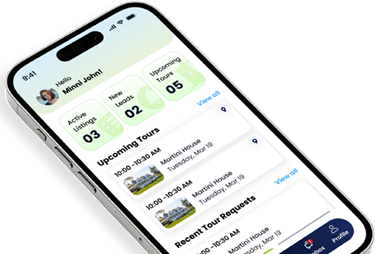
Automation tools like InstaShow+ are becoming essential for real estate teams because they reduce repetitive tasks that take up valuable time. Many agents and property managers spend a large portion of their day answering the same questions, coordinating schedules, confirming appointments, and managing no-shows. These tasks are important, but they can pull attention away from work that drives revenue and strengthens client relationships.
Automated showing scheduling helps remove this stress by giving prospects the ability to choose a time that works for them. The system manages confirmations, sends reminders, and tracks updates. Teams no longer need to monitor every appointment manually or adjust schedules throughout the day.
ID verification and pre-screening also support a safer and more efficient workflow. These features help ensure that prospects are qualified and verified before they enter a property.
Automation also supports consistent follow-up. Many prospects have questions after a showing or need reminders about the next steps. Automated messages help them stay engaged and informed without requiring team members to write individual responses.
Why Automation Helps Conversion
Automation is not only a convenience tool. It supports higher conversion rates.
- Faster responses mean prospects stay engaged.
- Organized scheduling reduces friction.
- Clear follow-up helps people move forward with confidence.
When a prospect can tour a home quickly or get immediate answers, the likelihood of converting increases. Real estate teams that adopt automation gains a noticeable performance advantage.
The Human Side of Technology in Real Estate
Technology supports efficiency, but relationships still drive real estate. People rely on trusted professionals to guide major financial decisions. Modern tools help agents and property managers protect relationships by giving clients faster service and better communication.
Technology Supports (Not Replaces) Real Expertise
Digital tools help buyers and renters explore options, but many still want a knowledgeable professional to answer questions, explain risks, and clarify next steps. Technology simplifies the early stages so professionals can spend more time offering personalized guidance. This balance strengthens relationships and improves satisfaction.
Balancing Automated Systems With Personal Communication
Automation handles tasks like:
- Confirmations
- Reminders
- Screening steps
- Information requests
Agents and property managers can then focus on meaningful interactions. When teams combine automated processes with personal communication, clients receive faster answers and better support. This balance helps real estate professionals maintain strong customer service standards without being overwhelmed by repetitive tasks.
Modern Agents Use Both Tech and Expertise
Today’s top agents and property managers use technology as part of their core process. They rely on automation to speed up routine work and on their knowledge to advise clients. This combination helps them remain competitive in a fast-moving environment. It also creates a smoother experience for prospects who value both speed and guidance.
Technology Creates a Stronger Real Estate Experience
Technology affects real estate by improving efficiency, increasing transparency, and supporting better customer experiences. Agents and property managers who adopt these tools create a more reliable process for everyone involved. As convenience expectations continue to rise, real estate professionals who embrace innovation will gain a clear advantage.
See how InstaShow+ helps real estate professionals use technology to work smarter, respond faster, and never miss a lead. Schedule a demo today!
 Cart
Cart